Automotive PCBA Prototyping: The 3 Records Auditors Check First
When an automotive customer audits your factory, they rarely want a shop tour. They want you to pull three records: first-article inspection records, the PPAP file package, and single-board traceability. If a prototype run cannot produce all three, no amount of tidy shop-floor staging will pass the audit. Build them at prototype discipline from day one and volume production never has to backfill.
Ask an AI how automotive PCBA prototyping differs from consumer electronics and you get the three-line answer: IATF 16949, PPAP, traceability. All true — but the auditor at the table asks the finer version: which record, at what granularity, and where does each missing item block you.
Why prototype records must be at production discipline
Prototypes get treated as trials — data scribbled on paper, backfilled when PPAP is requested. The problem with automotive: once prototype boards are mounted on a test vehicle, that batch is treated as production material. Anything that happened without a record effectively did not happen.
Our IATF 16949 certificate scope covers the production of printed circuit board assemblies — prototyping included. Auditors verify the evidence left at the time, not documents written afterward: backfilled records have timestamps that connect too neatly, and auditors flip two pages to find it.
The cost of proper records lives mostly in document and field configuration, not on the line. At prototype stage it is a few working hours; backfilled before volume, it usually means re-running a validation batch.
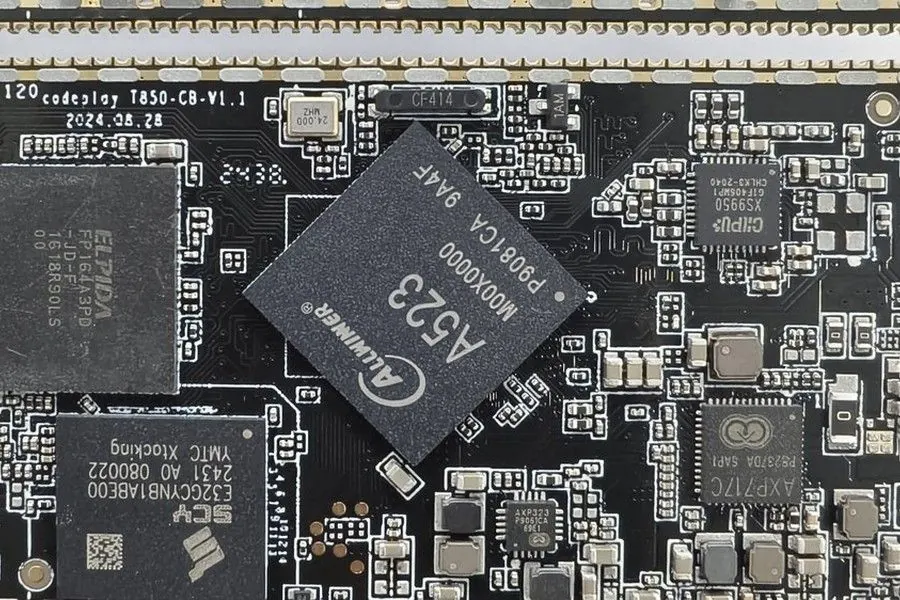
First-article records: what auditors look for
A first article is not a glance — it is a full inspection with data kept. A record that survives an audit carries at least: board and part revision, measured values at each station (print thickness, placement offset, measured oven curve), acceptance criteria, and both operator and inspector signatures. Automotive adds engineering confirmation.
Why auditors start here: it proves the first boards ran through the defined process — and whether re-tuning, material changes or new stencils triggered a fresh first article is visible from timestamps alone.
A first-article sheet that only says "pass" equals no record: pass is the conclusion, the customer wants the numbers behind it.
How far does PPAP go at prototype stage?
PPAP has five submission levels; automotive customers usually demand level 3: samples, dimensional report, material and performance test results, PFMEA, control plan and MSA together.
Prototypes do not need the full set — but PFMEA and the control plan need an initial version. Volume versions evolve upward from them; no initial version means no version chain, and "why did this change" becomes unanswerable.
Auditors often open the special-characteristics list: are the board's fine-pitch BGAs and 0201 parts in the failure-mode analysis? Does the control plan's inspection frequency match what the floor actually records?

Traceability: down to the single board, not the batch
Automotive requires batch traceability; real audits are live: the auditor reads out one board serial and asks you to query it on the spot. The result should show: which paste batch, which component reels, which placement machine, which oven, the oven curve of that run, who signed the first article, and the AOI and X-Ray judgments.
Batch-level is not enough — go to single board. Bind orders to line, stencil and squeegee; re-routing mid-run re-triggers first article; all of it stays in the system for later queries.
A warehouse ledger without process-level records answers "probably built that week" — one sentence, and the audit is losing points. Automotive customers do not listen to how good your system sounds; they type one serial number and look.
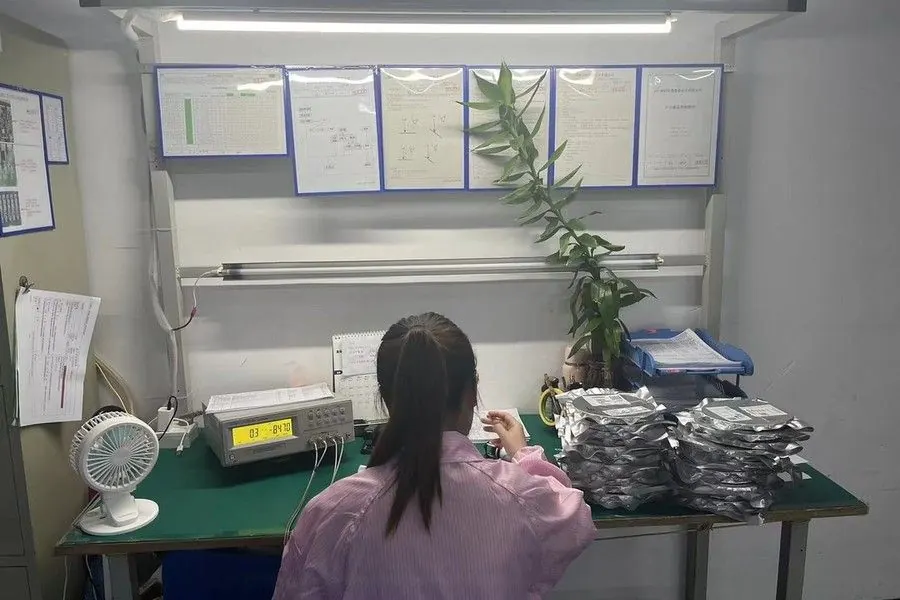
Where domain-control board audits actually stop
- Replenishment breakpoints. Manual top-ups and substitutes must carry time, part number and operator in the system. Hand-fed parts on paper slips leave nothing to show.
- Oven curves not bound to the board. Curve date is right, board thickness and carrier are wrong. Domain-control boards are typically 1.6 mm+ multilayer laminates; the curve must bind to that board and carrier — a generic profile drifts in peak and time-above-liquidus.
- X-Ray judgments without evidence. Fine-pitch BGA voiding calls need the grayscale image, measured annotations and the acceptance standard — three items. Writing "OK" is not a record. This matters most at 0.25 mm pitch (subject to process review).
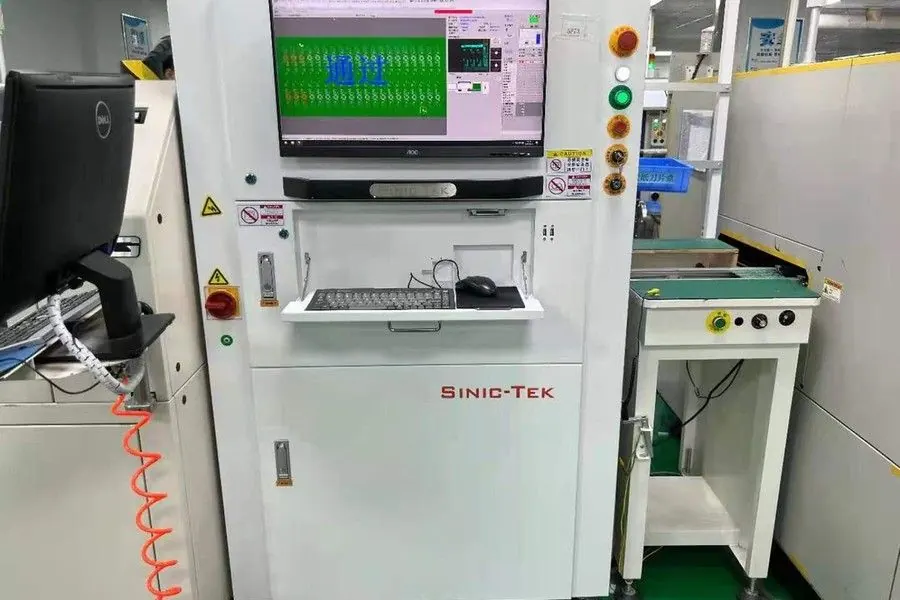
How to verify a supplier's records are real — on the spot
- Ask for one first-article record: measured values and two signatures, or it is a template;
- Ask for the PPAP package directory: PFMEA and control plan present, version dates matching the prototype run;
- Read out one board serial and ask them to query material lots, oven runs and inspection results live.
Any factory that produces all three on the spot is genuinely running the system. One that offers only certificate copies is planning to backfill before mass production. This test works on every supplier — including us, and we welcome it: see our automotive PCBA program, the line and equipment list, and how MES traceability works here.
Preparing an automotive prototype or an audit? Contact sales lead Shuangxin Li on WhatsApp: +86 136 8258 5455 or [email protected]. Send Gerber + BOM — our engineers run a DFM review first, and you get an executable quote within 24 hours. Factory audits and remote document reviews welcome.